Design that ships.
Twenty years leading product design for enterprise platforms. I run design orgs by craft and conviction, and I build production software side by side with AI, so the distance between a design decision and a shipped product keeps getting shorter.

From outdated
to award‑winning.
The platform that moves perishable food for the biggest names in grocery and foodservice had grown module by module, and nobody had talked to a customer in years. I joined to build its first product design team, put designers in front of users across the US and Canada, unified six applications under one design system, and shipped the first automated AI powered workflows in supply chain SaaS. Every number below is a benchmarked test, not a claim.
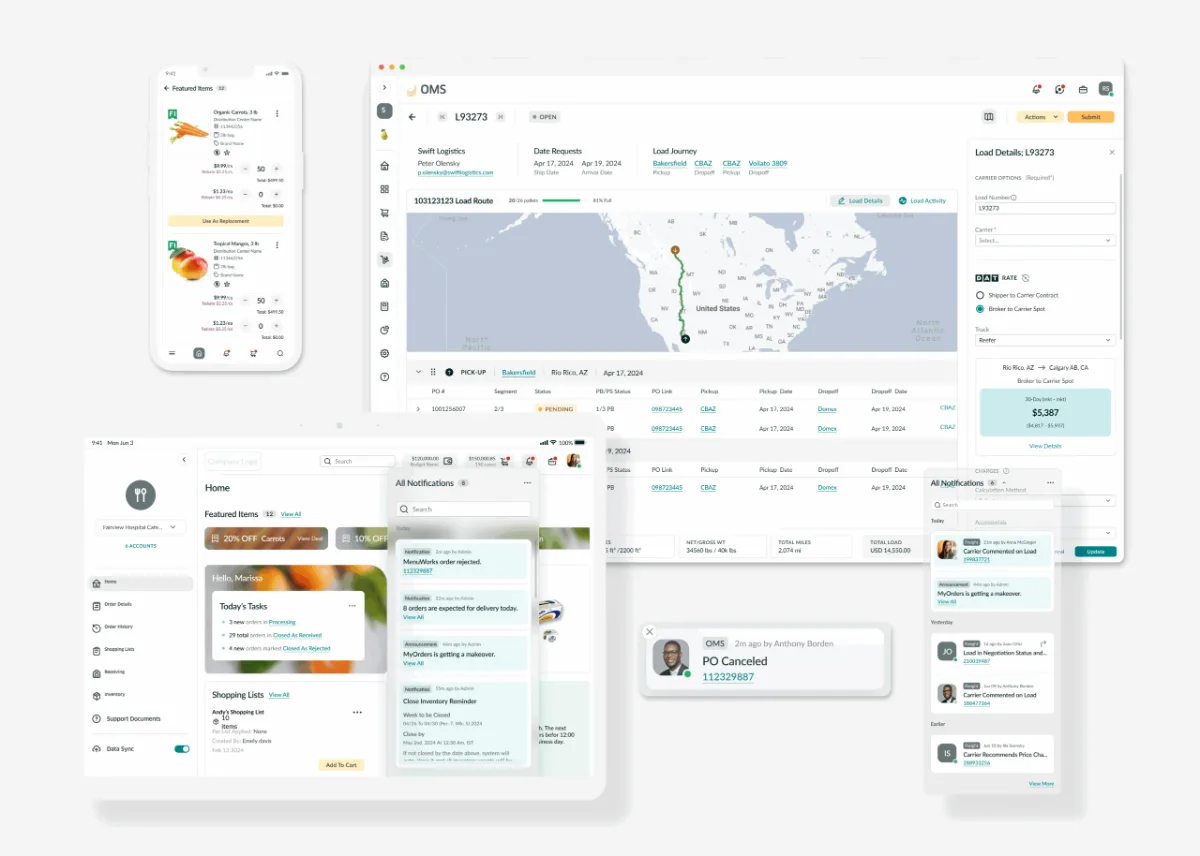
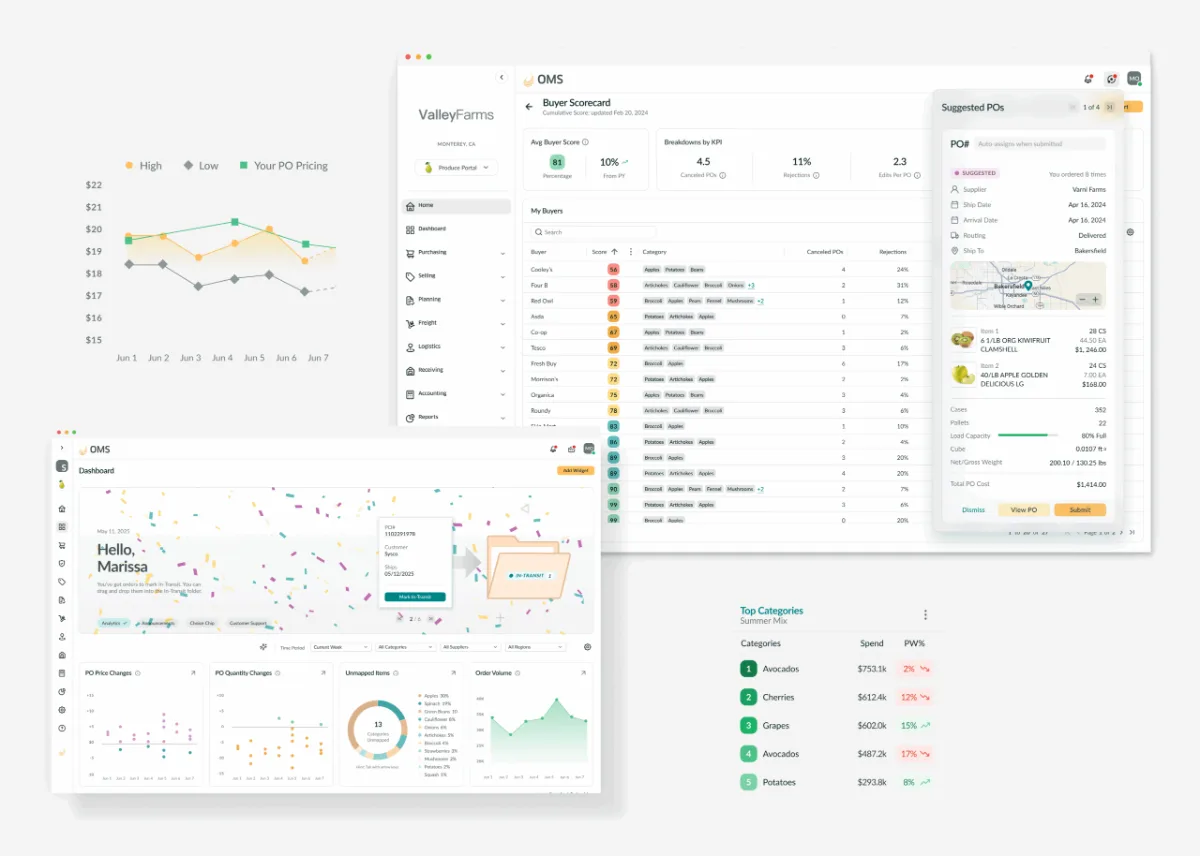
New platform versus legacy. Benchmarked UserTesting across OMS, Order Maestro, and Freight.
I don't just design products.
I ship them.
Oshon is an enterprise design system that scales with data. Every component reads data density and adapts its experience, so the interface that works at 50 rows still works at a million. It is token-based and AI-ready: point Claude or Cursor at the system and they build on-system by default. Designed every component in Figma, then built and shipped the entire product with Claude AI. No engineers, no agency. One designer, shipping production software.
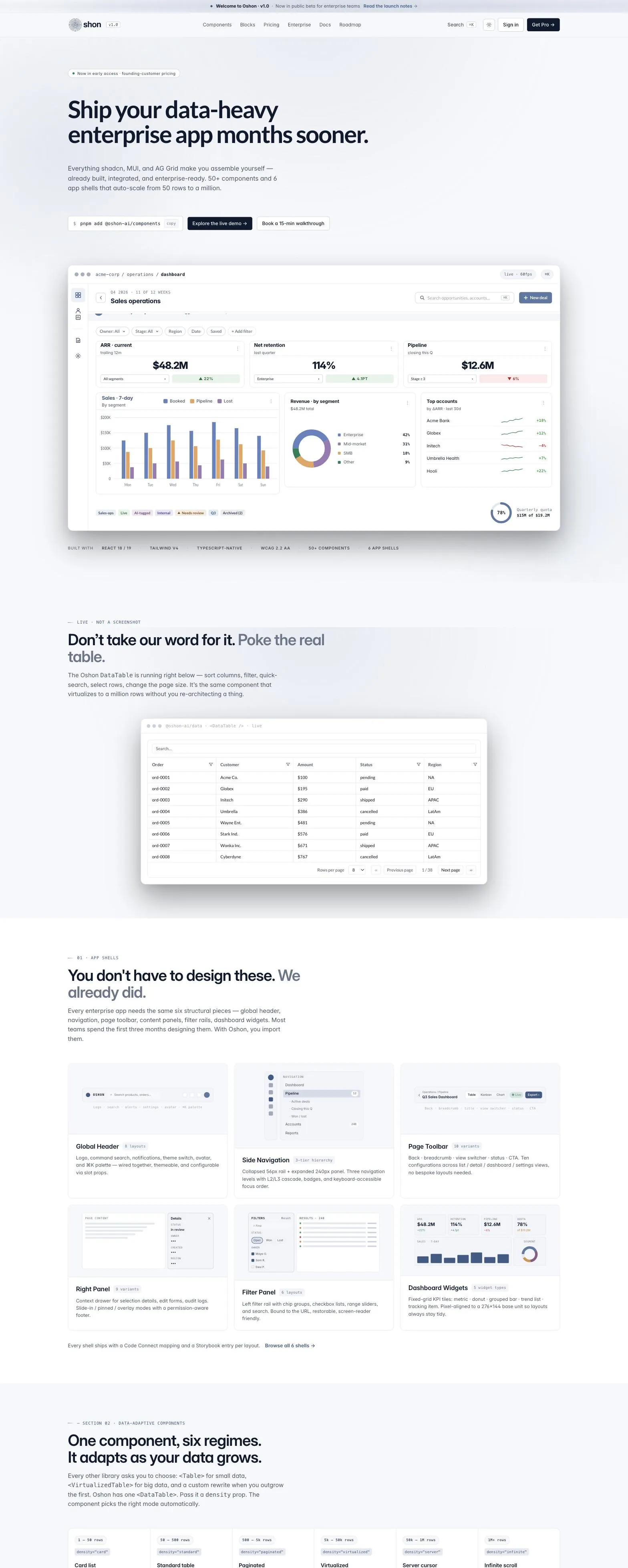
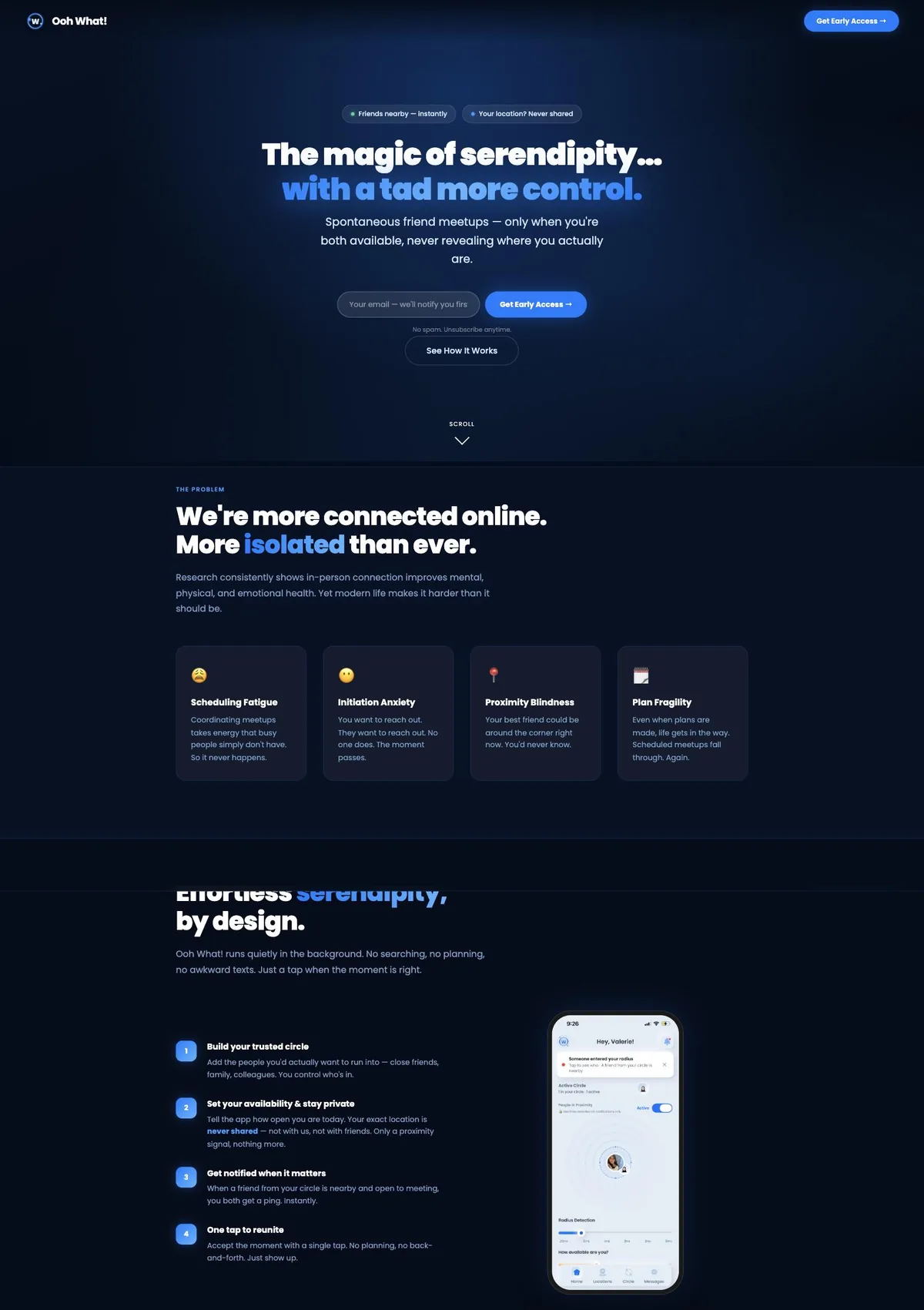
Design leadership, measured.
Five case studies across supply chain, legal tech, logistics, and streaming. Every one of them ends in a number that moved.
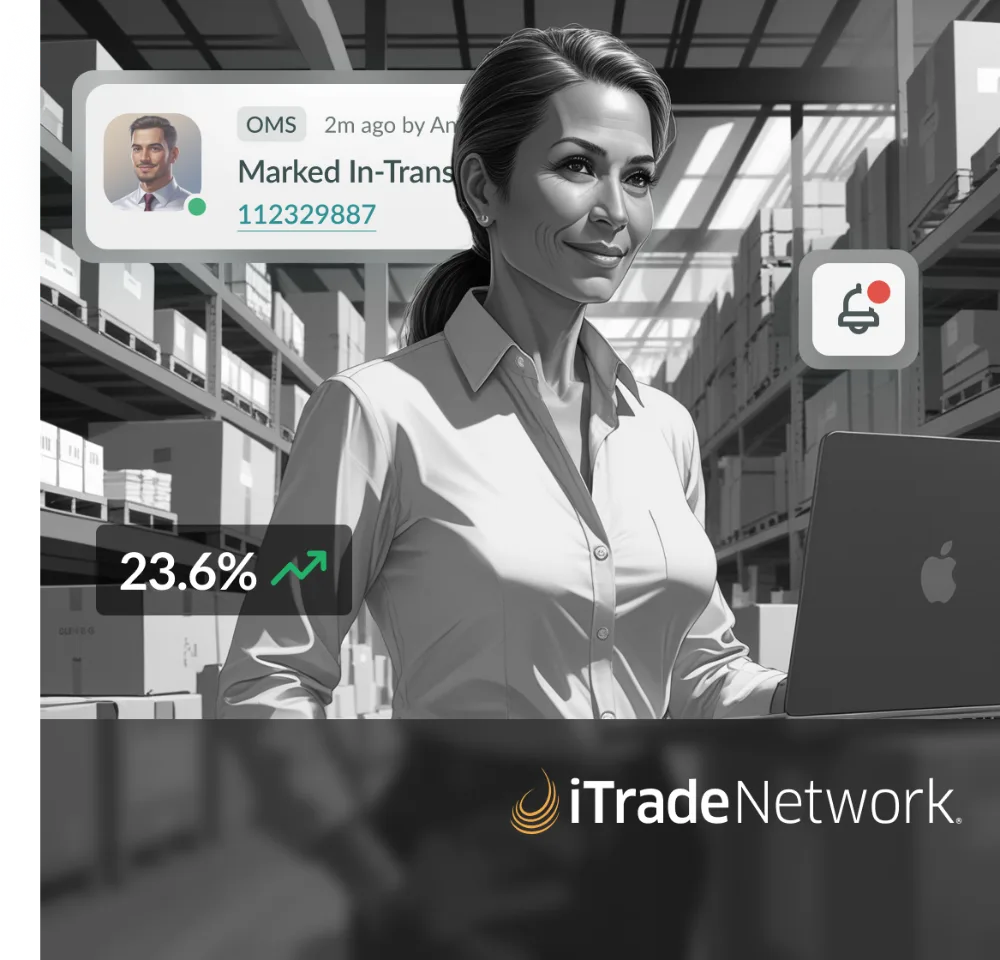
89% more task completions and two 2024 awards, as VP of Product Design.

One design language across a suite used by 92% of the Global 100 law firms.

Mobile-first rebuild, 2× faster on task than the legacy product.

Twelve weeks of design behind $27M raised and 7,380+ drivers.

Social streaming concept, research to prototype in 10 weeks.

WebAwards 2024, for the iTradeNetwork platform, as VP of Product Design.

CloudAwards 2024, for the iTradeNetwork platform, as VP of Product Design.
Notes from the front of the craft.
How I scaled a design team to build AI-native products, and 10× the impact it could ship.
Read the article Design systems Why design systems drive value.Consistency, efficiency, and scalability at every product touchpoint, and what that's worth to the business.
Read the article