Freight, without the middleman.
Zuum set out to build the industry's first automated freight platform: real-time transit ETAs, online tracking, and digital proof of delivery, with no broker in the middle taking fees from shippers and drivers. As Head of Product Design, I had twelve weeks to take it from concept to a designed, testable product across web and mobile.
Business impact reported by Zuum following launch of the platform.
A fractured system with a broker in the middle.
Freight ran on opacity: hidden fees, no real visibility into shipment status, and a broker layer that drove up prices for shippers while taking money away from drivers. Neither side of the transaction could see where their freight actually was, and proof of delivery still meant paper.
Zuum's bet was to remove the broker altogether. That meant the product had to do everything the broker did, and do it transparently: match loads, track them in real time, and close the loop with digital proof of delivery and detailed invoicing.
Twelve weeks means research that earns its keep.
We studied how on-demand platforms in other industries solved trust and dispatch, interviewed stakeholders and potential customers, and dug into the government regulations a freight service has to satisfy. Needfinding led to storyboards; red-route analysis isolated the frequent, critical activities the platform had to make effortless, complete workflows rather than single tasks.
The landscape, and where a broker-free model wins.
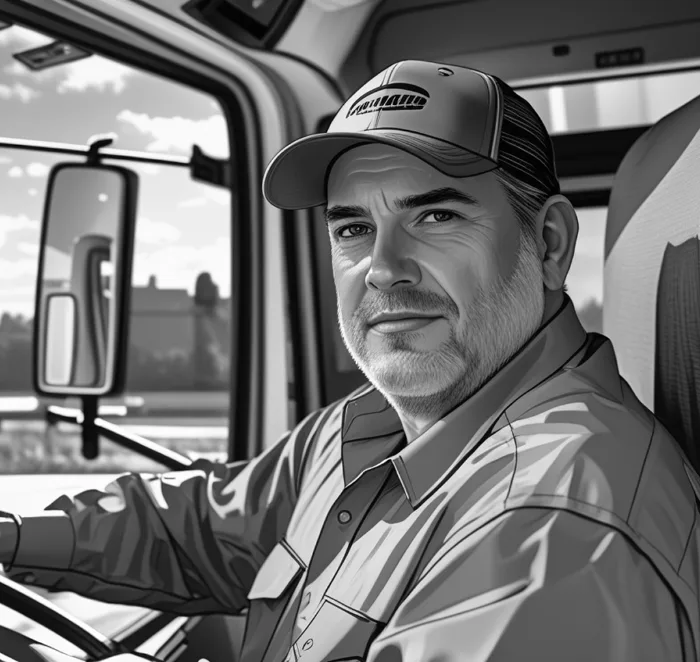
Shippers, carriers, and drivers, each with different stakes.
Where the current system loses time, money, and trust.
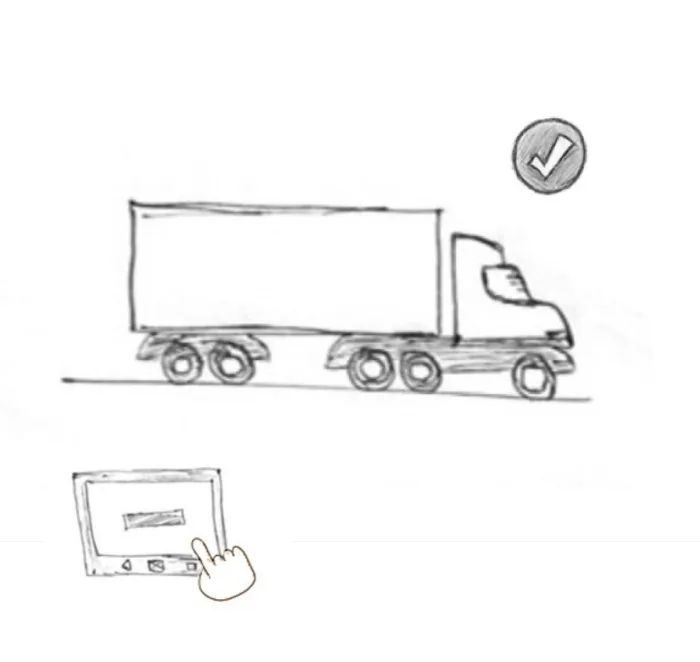
The broker-free flow, told before it was built.
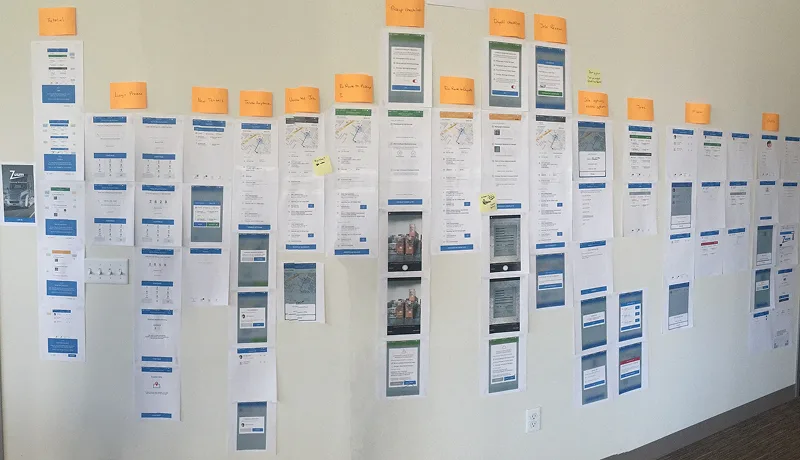
One interaction model, two platforms.
From fast iterative sketches to high-fidelity wireframes, the design work centered on a single interaction model that binds web and mobile together, matched to how shippers, carriers, and drivers actually think about a load moving through the world.
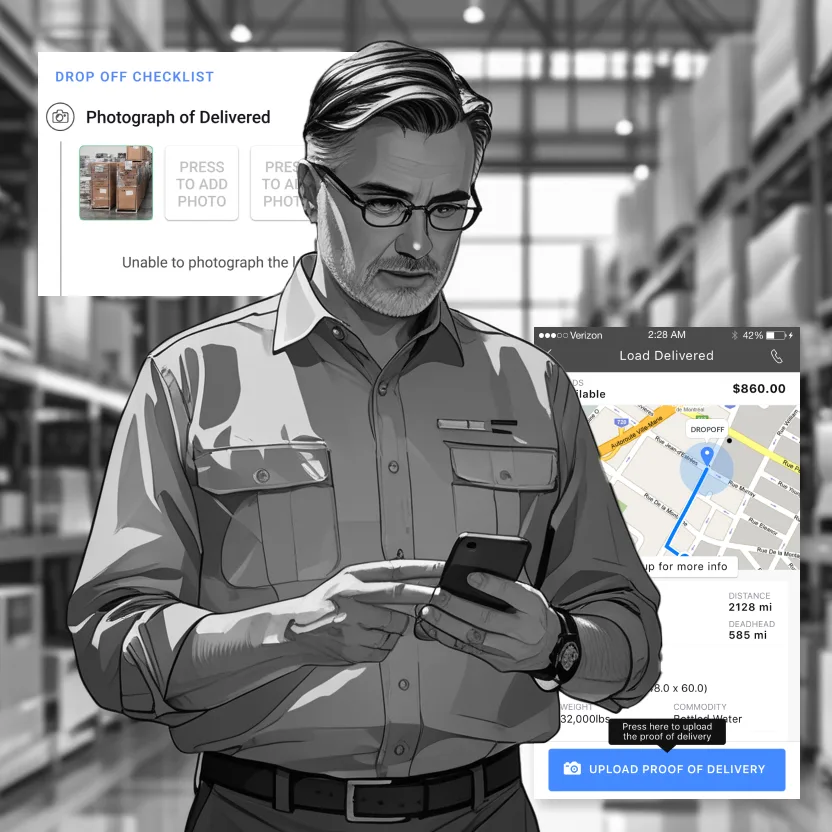
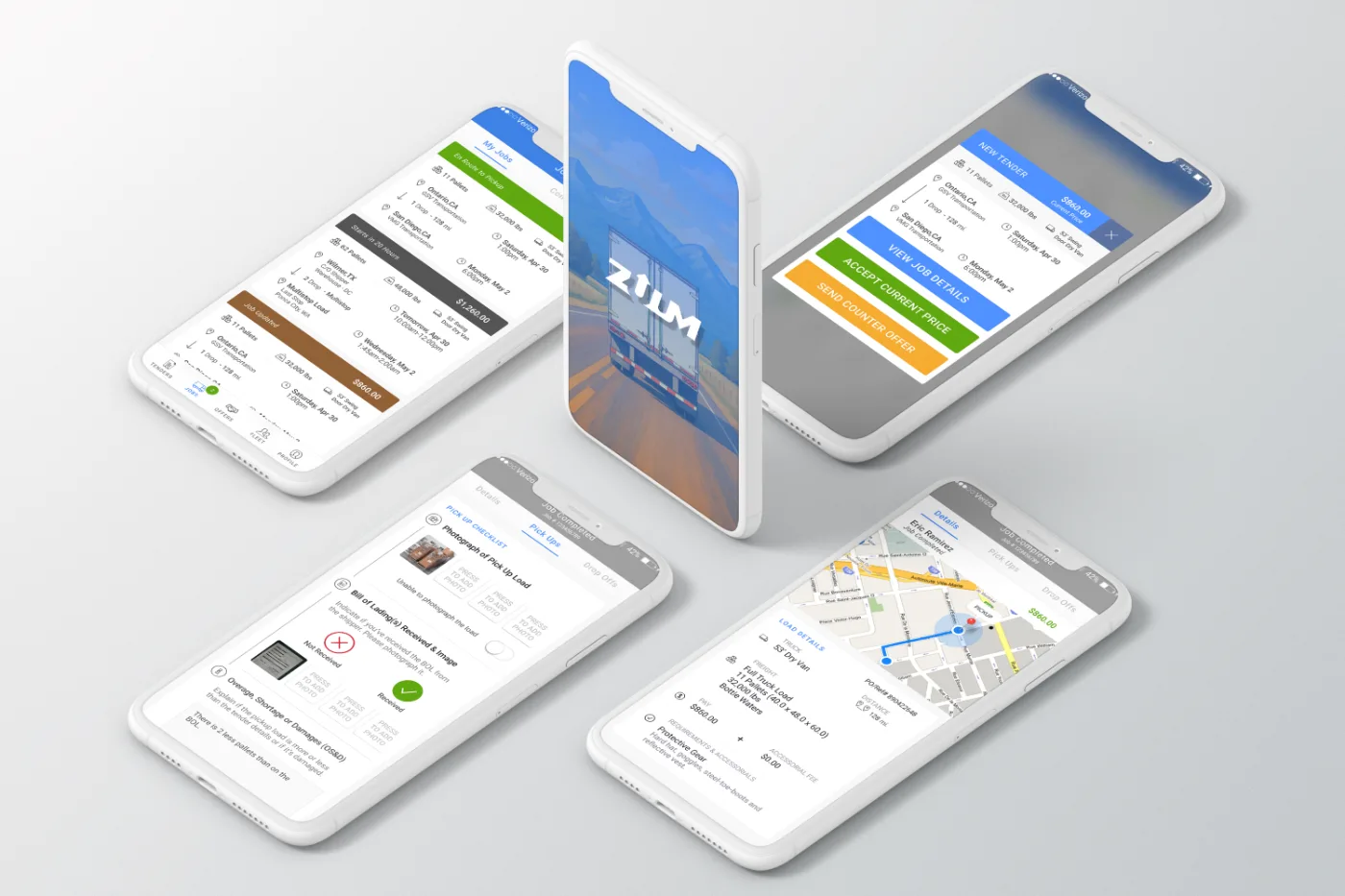
Barcode a load to pull its details, for pickup and delivery.
Order and manifest detail at every step.
Every order plotted, with live ETAs and routing.
Digital signature and instant receipt to the customer.
Loads booked and bid on directly, no broker.
Driver onboarding, profiles, and one-tap call to HQ.
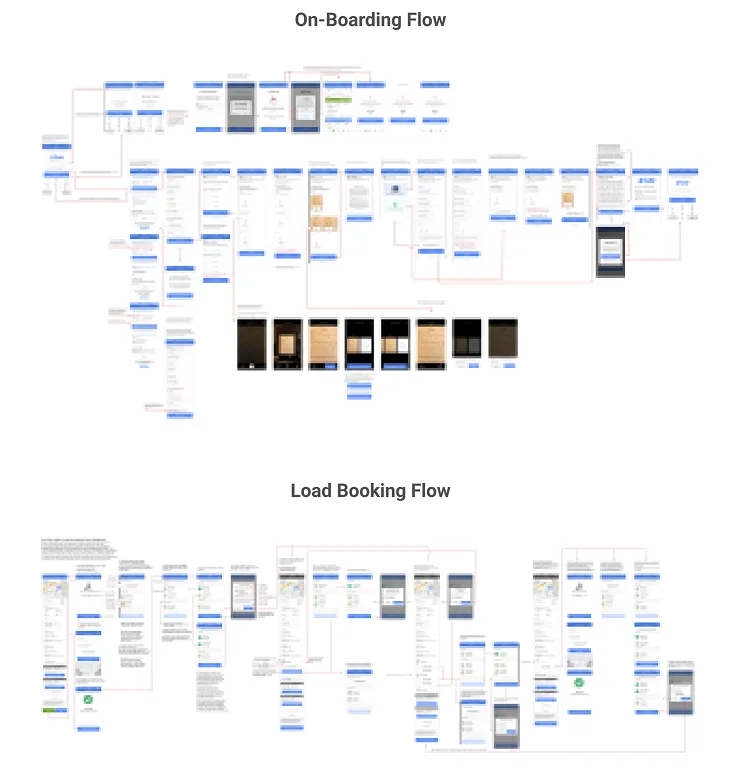
See it move.
Interactive prototypes carried the concept through usability testing and into the room with investors. Click to play.

Twelve weeks of design. $27M of conviction.
The platform launched and grew to 7,380+ active drivers and 40+ active shippers, and the product those twelve weeks made tangible helped Zuum raise $27M across seed and Series A. Design was not a phase of this company. It was the proof the company was possible.
The fastest way to convince anyone a new market can exist is to let them touch the product that creates it.