Time on task, cut in half.
Order Maestro is the second-largest product in the iTradeNetwork portfolio, running procurement for three of the five largest food service operators in the industry. It was also stuck: two new accounts in three years, a desktop-only platform serving users who spend most of their day in the field. We rebuilt it mobile-first, and the numbers moved.
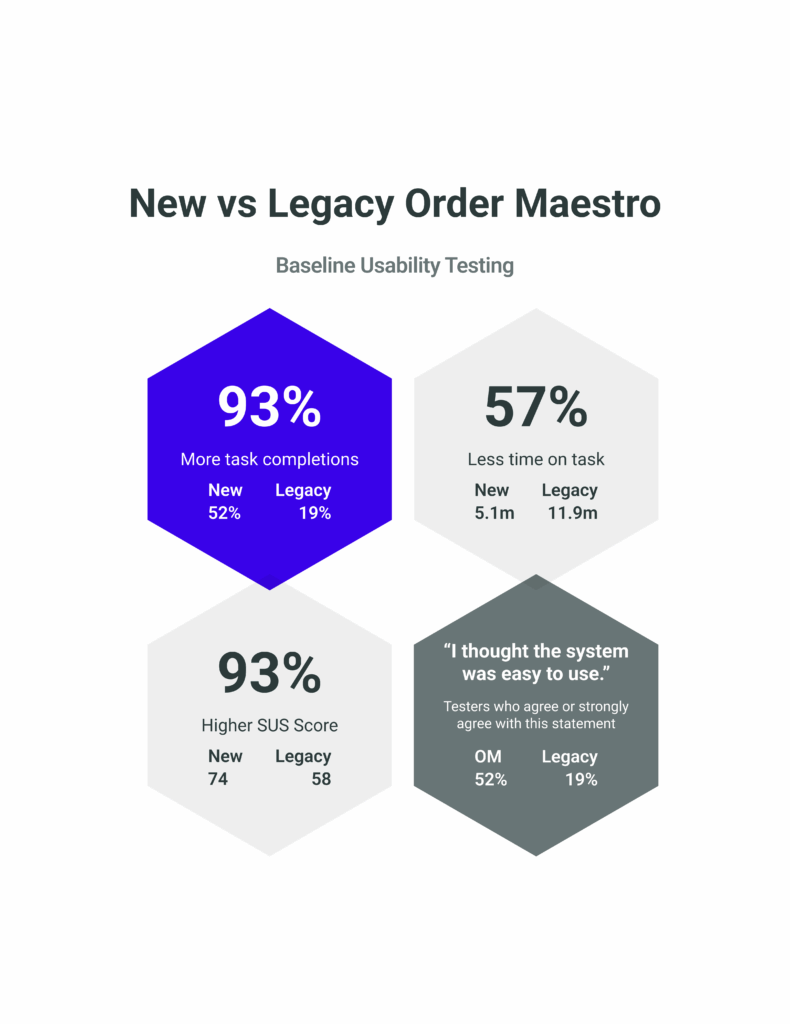
Task metrics from benchmarked usability testing of the redesigned application against legacy.
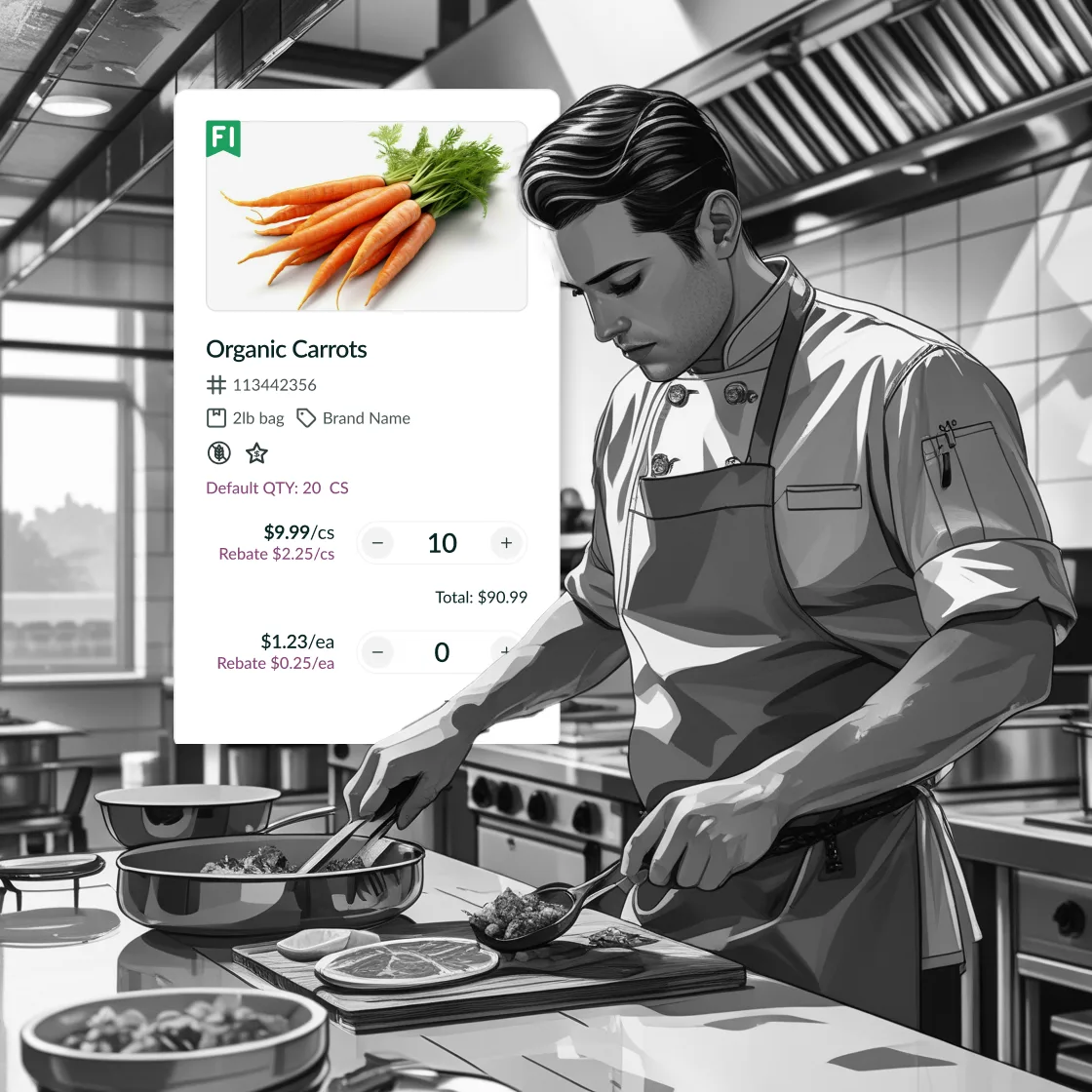
A market leader that stopped winning.
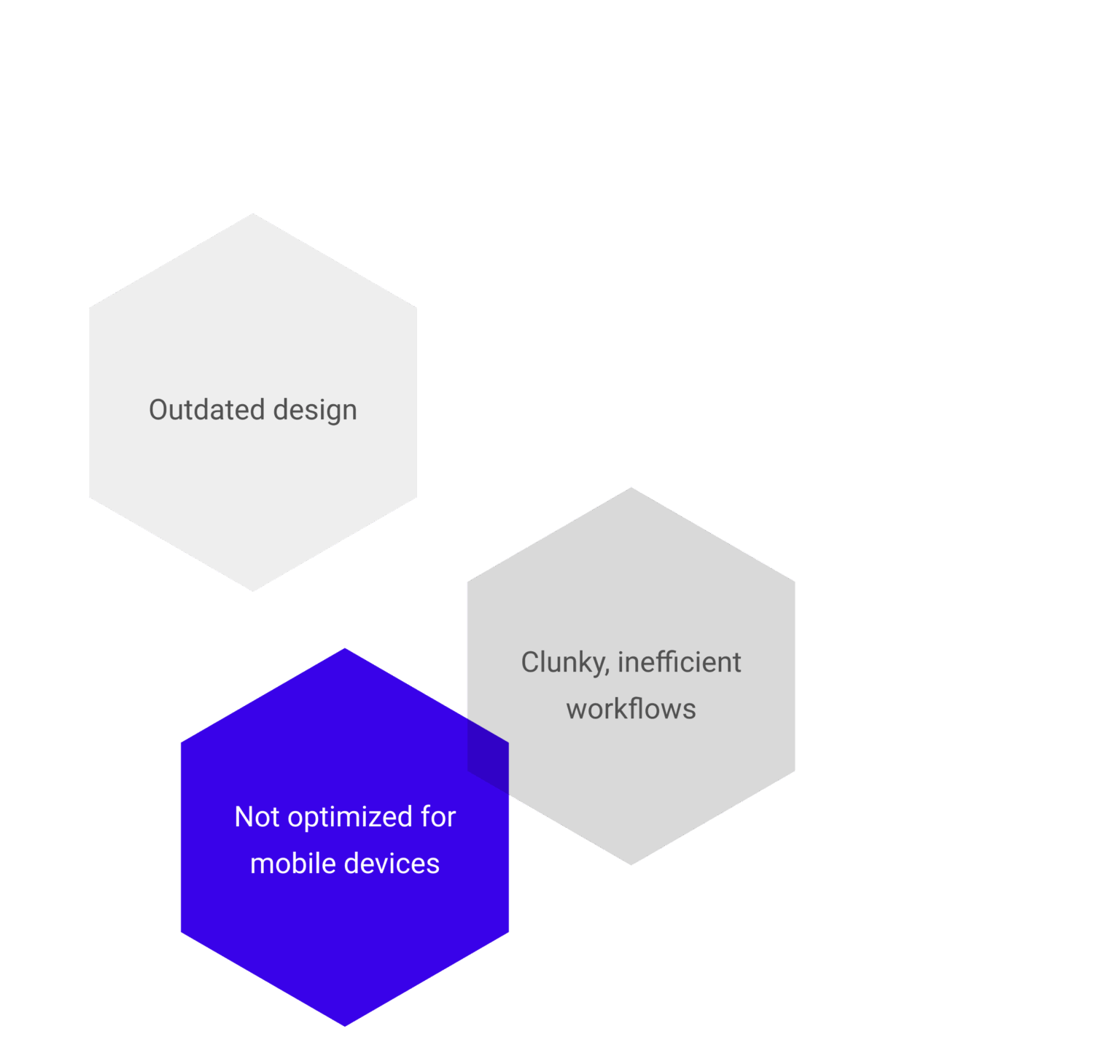
Order Maestro had the foothold most products dream about, but the growth told a different story: two new accounts in three years. The user experience was outdated, the technology was legacy, and the workflows were clunky enough to frustrate the very operators who depended on them.
The deeper mismatch was mobility. 75% of target users spend the majority of their workday on the move, visiting sites, managing vendors, and overseeing logistics in the field, while the product only existed on a desktop. Mission-critical ordering was chained to a desk its users rarely sat at.
Meet the users where they actually work.
User interviews, competitor analysis, and usability studies shaped the direction, with feedback loops built into the design process for continuous iteration. The research surfaced the pain points that became the feature list: offline functionality, faster search, and real visibility into order status.
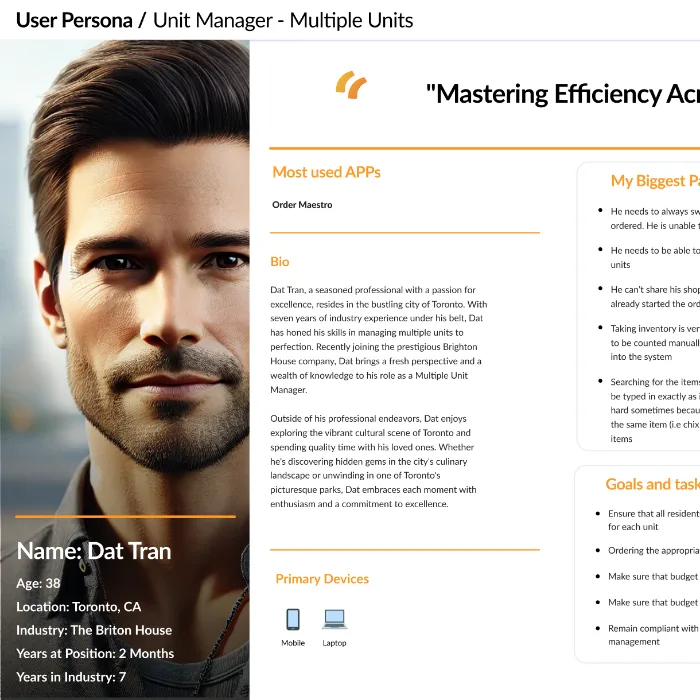
Operators in the field, not at a desk.
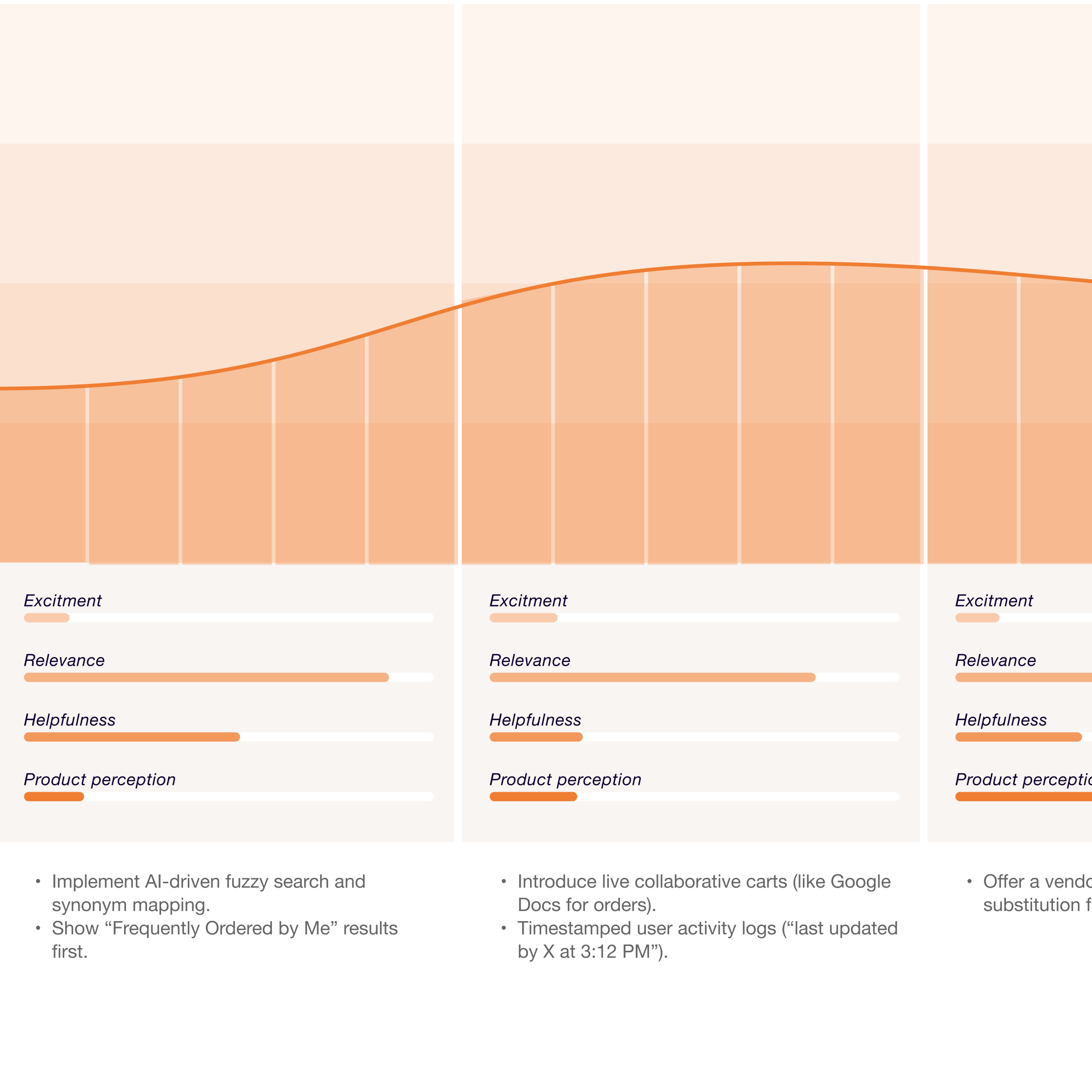
Where ordering broke down between sites and vendors.

The pressures of a workday spent moving.
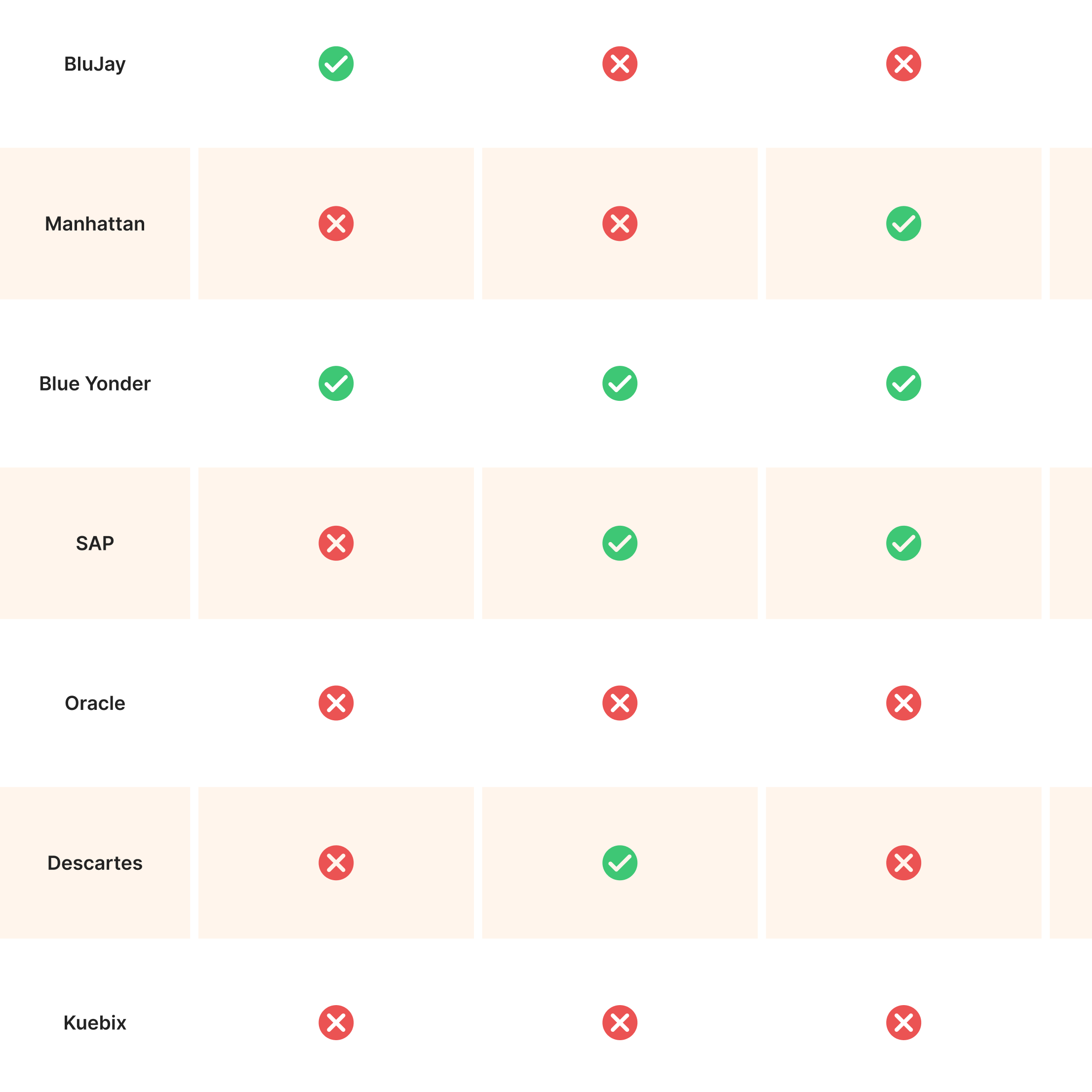
Where the market was going mobile without us.
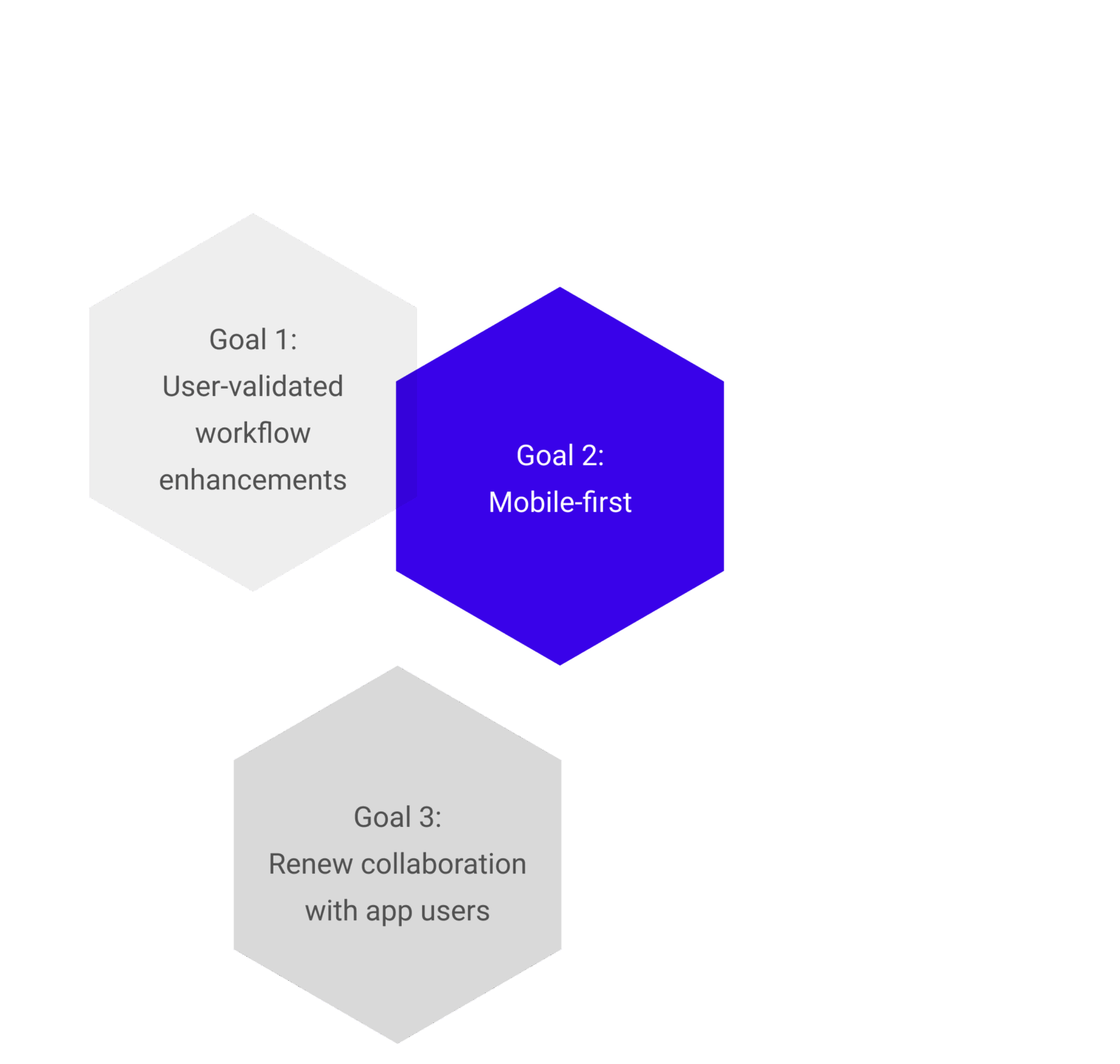
Built for the walk-in freezer, not the desk.
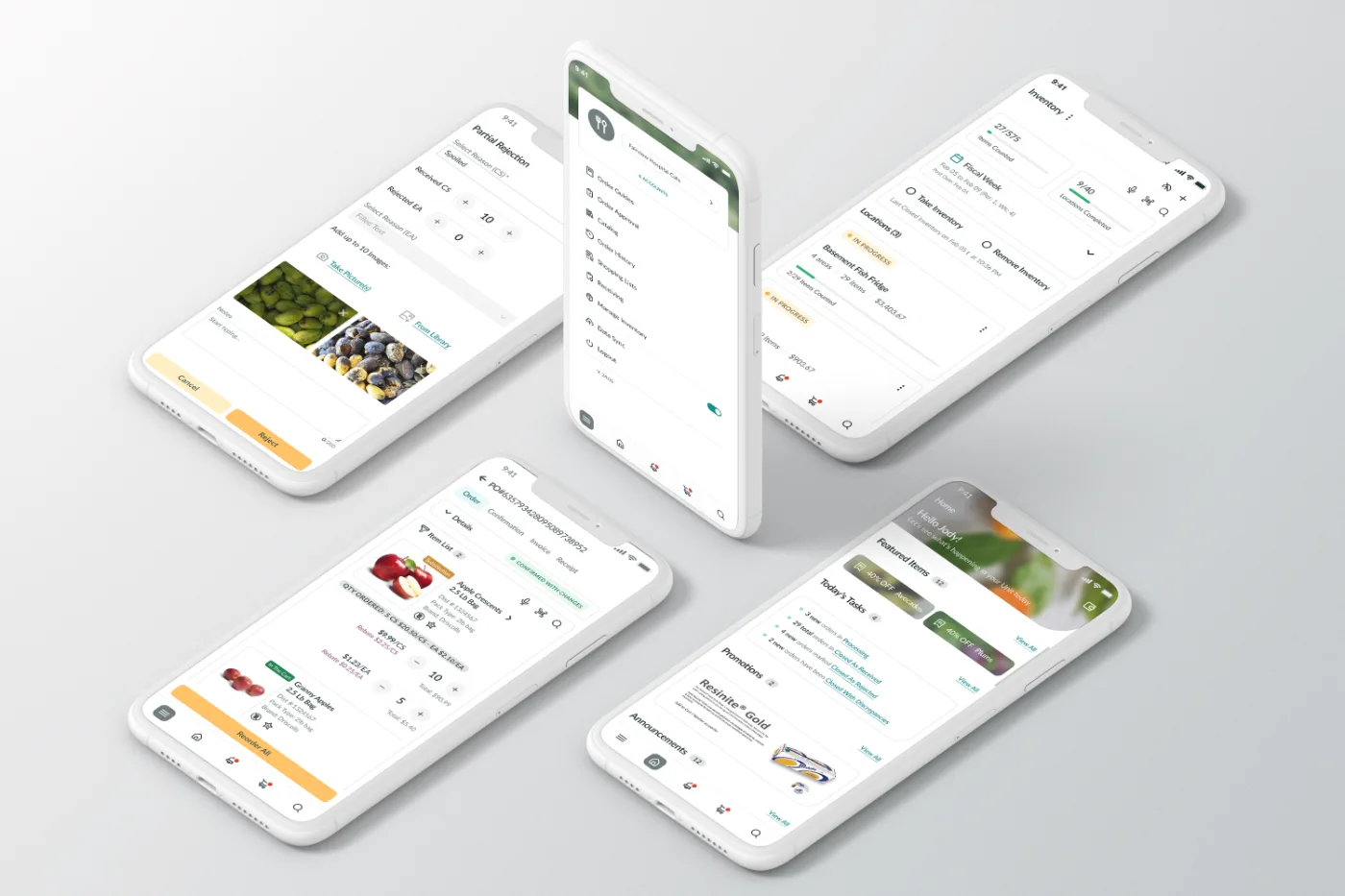
The redesign started from the field and worked backwards: mobile-first, offline-capable, and fast under pressure. Every workflow was rebuilt around the moments that matter in a kitchen, a loading dock, or a storeroom with no signal.
Count, order, and reconcile with zero connectivity. Everything syncs when the signal returns.
Scan a product to add, count, or reorder it. No typing in a freezer.
Forgiving, instant search across catalogs of thousands of SKUs.
Order status, cutoffs, and substitutions surfaced the moment they change.
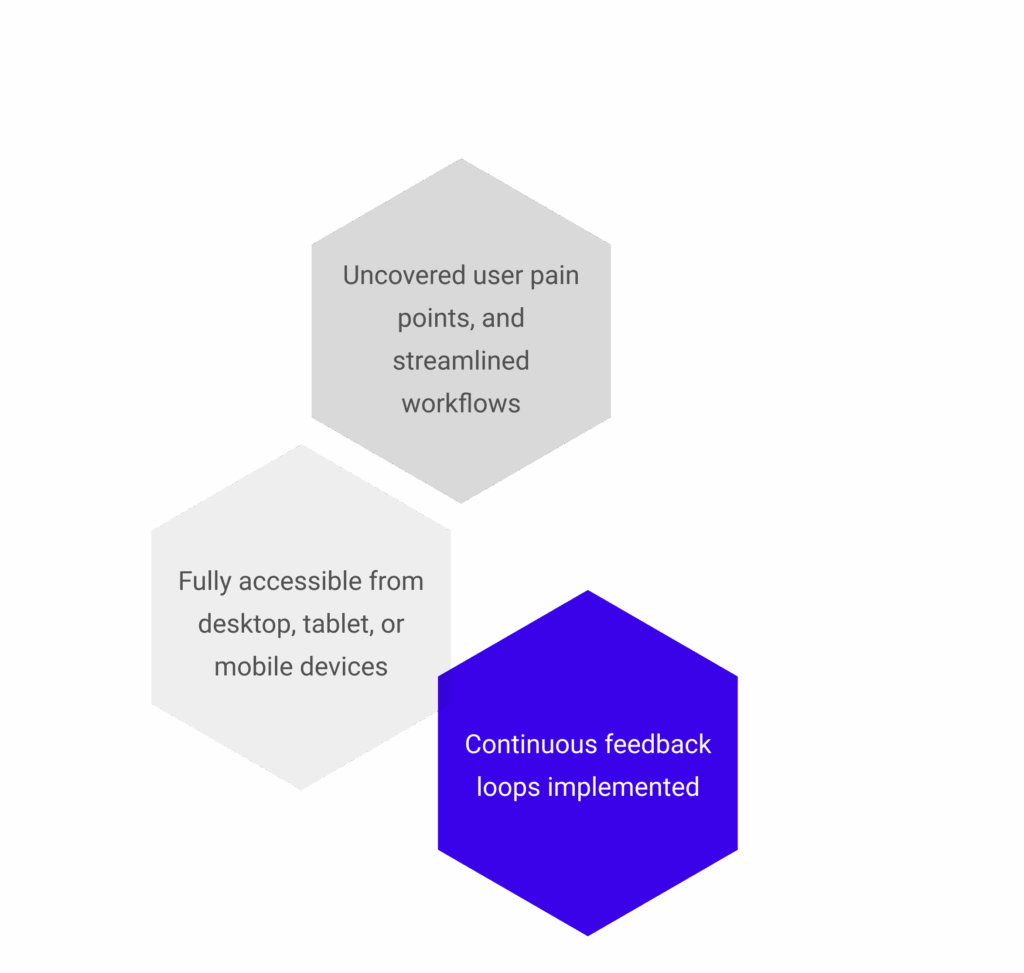
Tested against the product it replaced.
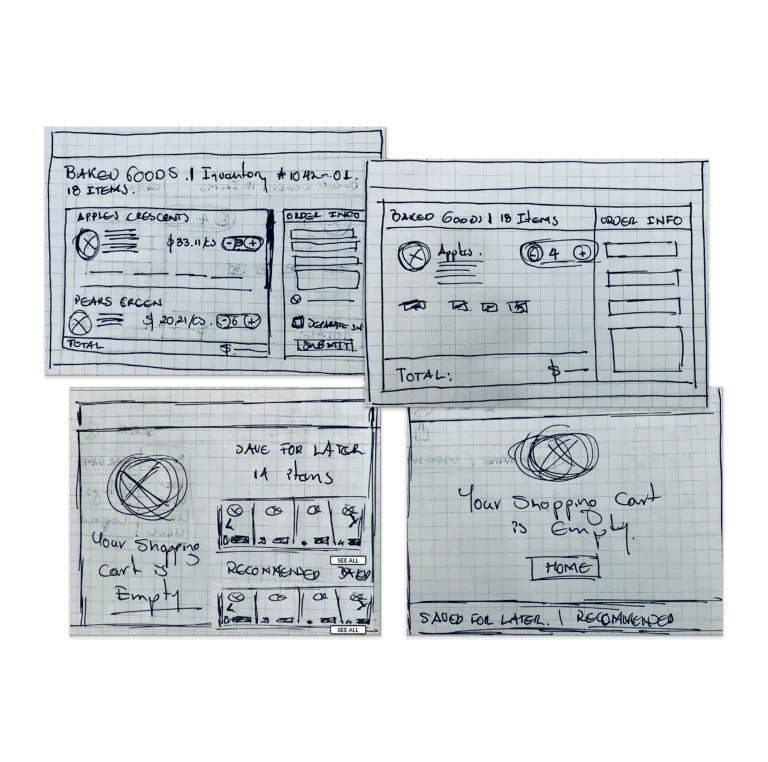
Wireframes went in front of real operators early, and the redesign was benchmark-tested head-to-head against the legacy application. That discipline is where the 93% and 2× numbers come from, and each round of testing sent something back to the drawing board.
Users never found it. It moved to where they looked first.
Order guides now learn from what each operator actually buys.
Reorganized around how kitchens think, not how the database is shaped.
Flattened so every core task is one tap from anywhere.

Twice as fast, and winning again.
Against the legacy product, the redesign delivered 93% more completed tasks at 2× the speed, and Order Maestro went back on offense in a market it had been quietly losing: a modern, mobile procurement platform serving three of the five largest food service operators in the industry.

When a product meets its users where they actually work, the metrics stop arguing with you.